Jokowi Kejar Infrastruktur Pendukung 'Bali Baru' Rampung 2020 CNN Indonesia
Jokowi Kejar Infrastruktur Pendukung 'Bali Baru' Rampung 2020 - CNN Indonesia
Baca Selanjutnya
Saturday, November 30, 2019
Tahun 2019 tinggal sebulan, IHSG termasuk indeks berkinerja terburuk - Kontan
Tahun 2019 tinggal sebulan, IHSG termasuk indeks berkinerja terburuk Kontan
Tahun 2019 tinggal sebulan, IHSG termasuk indeks berkinerja terburuk - Kontan
Baca Selanjutnya
Tahun 2019 tinggal sebulan, IHSG termasuk indeks berkinerja terburuk - Kontan
Baca Selanjutnya
Stok Bawang Putih di Jakarta Aman Hingga Akhir Tahun - Bisnis.com
Stok Bawang Putih di Jakarta Aman Hingga Akhir Tahun Bisnis.com
Stok Bawang Putih di Jakarta Aman Hingga Akhir Tahun - Bisnis.com
Baca Selanjutnya
Stok Bawang Putih di Jakarta Aman Hingga Akhir Tahun - Bisnis.com
Baca Selanjutnya
Satu Juta Barrel, Bukan Lagi Mimpi... Halaman all - KOMPAS.com
Satu Juta Barrel, Bukan Lagi Mimpi... Halaman all KOMPAS.com
Satu Juta Barrel, Bukan Lagi Mimpi... Halaman all - KOMPAS.com
Baca Selanjutnya
Satu Juta Barrel, Bukan Lagi Mimpi... Halaman all - KOMPAS.com
Baca Selanjutnya
חדש בטלוויזיה: יום ראשון, 02 בדצמבר, 2019 - Girafa
חדש בטלוויזיה: יום ראשון, 02 בדצמבר, 2019 Girafa
חדש בטלוויזיה: יום ראשון, 02 בדצמבר, 2019 - Girafa
קרא עוד
חדש בטלוויזיה: יום ראשון, 02 בדצמבר, 2019 - Girafa
קרא עוד
Polemik UMK Jawa Barat yang Tinggi, Apa Solusinya? - CNBC Indonesia
- Polemik UMK Jawa Barat yang Tinggi, Apa Solusinya? CNBC Indonesia
- Tolak Surat Edaran UMK 2020, Buruh Bakal Demo Ridwan Kamil CNN Indonesia
- Buruh Jawa Barat Akan Demo Besar-besaran Selama 3 Hari Okezone
- Besok, Buruh Jawa Barat Mogok & Demo Besar 3 Hari Beruntun! CNBC Indonesia
- Banyak Desakan Buruh, Gubernur Jabar Kukuh Surat Edaran UMK Tidak Akan Diubah Jadi SK Pikiran Rakyat
- Lihat liputan lengkap di Google Berita
Polemik UMK Jawa Barat yang Tinggi, Apa Solusinya? - CNBC Indonesia
Baca Selanjutnya
חדש בטלוויזיה: יום ראשון, 02 בדצמבר, 2019 - Megafon News
חדש בטלוויזיה: יום ראשון, 02 בדצמבר, 2019 Megafon News
חדש בטלוויזיה: יום ראשון, 02 בדצמבר, 2019 - Megafon News
קרא עוד
חדש בטלוויזיה: יום ראשון, 02 בדצמבר, 2019 - Megafon News
קרא עוד
Belum sebulan melantai, saham Ginting Jaya Energi (WOWS) kena suspend - Kontan
Belum sebulan melantai, saham Ginting Jaya Energi (WOWS) kena suspend Kontan
Belum sebulan melantai, saham Ginting Jaya Energi (WOWS) kena suspend - Kontan
Baca Selanjutnya
Belum sebulan melantai, saham Ginting Jaya Energi (WOWS) kena suspend - Kontan
Baca Selanjutnya
Mimpi Menadah Hujan Pertumbuhan Ekonomi di Likupang - kompas.id
Mimpi Menadah Hujan Pertumbuhan Ekonomi di Likupang kompas.id
Mimpi Menadah Hujan Pertumbuhan Ekonomi di Likupang - kompas.id
Baca Selanjutnya
Mimpi Menadah Hujan Pertumbuhan Ekonomi di Likupang - kompas.id
Baca Selanjutnya
IHSG Diprediksi Pertahankan Penguatan Pekan Depan - Bisnis.com
IHSG Diprediksi Pertahankan Penguatan Pekan Depan Bisnis.com
IHSG Diprediksi Pertahankan Penguatan Pekan Depan - Bisnis.com
Baca Selanjutnya
IHSG Diprediksi Pertahankan Penguatan Pekan Depan - Bisnis.com
Baca Selanjutnya
Satu Juta Barrel, Bukan Lagi Mimpi... Halaman all - KOMPAS.com
Satu Juta Barrel, Bukan Lagi Mimpi... Halaman all KOMPAS.com
Satu Juta Barrel, Bukan Lagi Mimpi... Halaman all - KOMPAS.com
Baca Selanjutnya
Satu Juta Barrel, Bukan Lagi Mimpi... Halaman all - KOMPAS.com
Baca Selanjutnya
Bos Lippo Lepas Saham OVO, Bulog Minta Ganti Rugi ke Sri Mulyani - Detikcom
Bos Lippo Lepas Saham OVO, Bulog Minta Ganti Rugi ke Sri Mulyani Detikcom
Bos Lippo Lepas Saham OVO, Bulog Minta Ganti Rugi ke Sri Mulyani - Detikcom
Baca Selanjutnya
Bos Lippo Lepas Saham OVO, Bulog Minta Ganti Rugi ke Sri Mulyani - Detikcom
Baca Selanjutnya
China wants rollback of tariffs in phase one trade deal with US, Chinese state media says
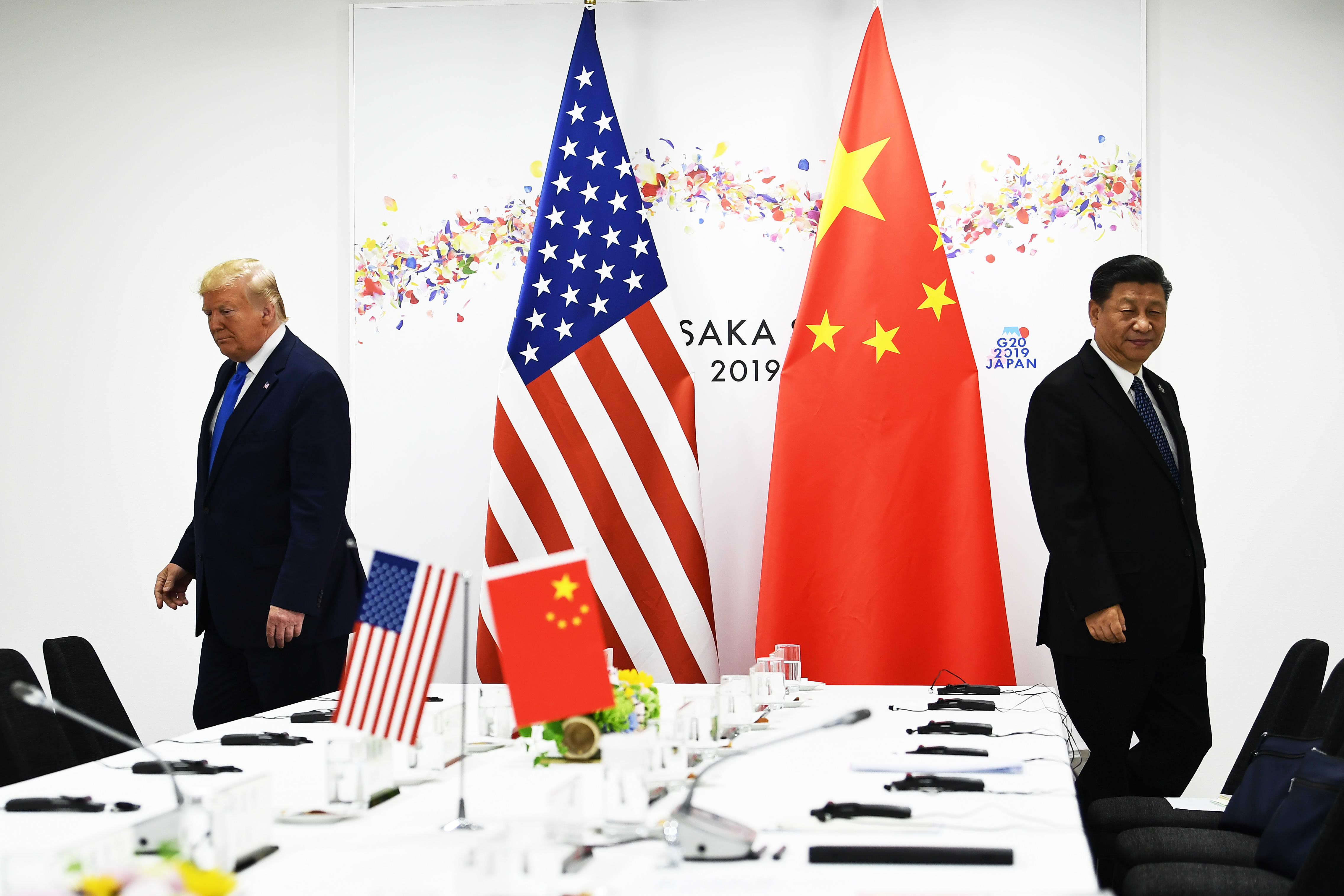
Chinese President Xi Jinping (R) and US President Donald Trump attend their bilateral meeting on the sidelines of the G20 Summit in Osaka on June 29, 2019.
Brendan Smialowski | AFP | Getty Images
Beijing is insisting that a rollback of tariffs must be part of any phase one trade deal with Washington, China's Global Times newspaper said on Sunday citing unnamed sources, amid continued uncertainty on whether the two sides can reach an agreement.
"A US pledge to scrap tariffs scheduled for December 15 cannot replace the rollbacks of tariffs," the newspaper said in a tweet. The Global Times is published by the People's Daily, the official newspaper of China's ruling Communist Party.
Di Depan Praktisi, Sri Mulyani Pamer Insentif Pajak Baru - CNBC Indonesia
Di Depan Praktisi, Sri Mulyani Pamer Insentif Pajak Baru CNBC Indonesia
Di Depan Praktisi, Sri Mulyani Pamer Insentif Pajak Baru - CNBC Indonesia
Baca Selanjutnya
Di Depan Praktisi, Sri Mulyani Pamer Insentif Pajak Baru - CNBC Indonesia
Baca Selanjutnya
Cara Erick Thohir Bersih-Bersih BUMN - Bisnis.com
- Cara Erick Thohir Bersih-Bersih BUMN Bisnis.com
- Beredar Kabar Susi Pudjiastuti Akan Jadi Petinggi di BUMN, Susi: Tidak, Tidak Tahu, Tidak Dengar Tribunnews.com
- Saat Jonan, Susi Pudjiastuti hingga Rudiantara Masuk Bursa Bos BUMN... Halaman all KOMPAS.com
- Erick, Misteri Titipan Jokowi di BUMN? PinterPolitik
- Susi Pudjiastuti & Ignasius Jonan Diisukan Masuk Bursa Calon Bos BUMN, Ini Tanggapan Erick Thohir Tribunnewsmaker.com
- Lihat liputan lengkap di Google Berita
Cara Erick Thohir Bersih-Bersih BUMN - Bisnis.com
Baca Selanjutnya
Di Depan Praktisi, Sri Mulyani Pamer Insentif Pajak Baru - CNBC Indonesia
Di Depan Praktisi, Sri Mulyani Pamer Insentif Pajak Baru CNBC Indonesia
Di Depan Praktisi, Sri Mulyani Pamer Insentif Pajak Baru - CNBC Indonesia
Baca Selanjutnya
Di Depan Praktisi, Sri Mulyani Pamer Insentif Pajak Baru - CNBC Indonesia
Baca Selanjutnya
Friday, November 29, 2019
Viral Foto 'Saf Salat Dikaveling', Kementerian BUMN: Hoax! - Detiknews
Viral Foto 'Saf Salat Dikaveling', Kementerian BUMN: Hoax! Detiknews
Viral Foto 'Saf Salat Dikaveling', Kementerian BUMN: Hoax! - Detiknews
Baca Selanjutnya
Viral Foto 'Saf Salat Dikaveling', Kementerian BUMN: Hoax! - Detiknews
Baca Selanjutnya
Konsep Bakar Duit yang Bikin Lippo Nyerah hingga Lepas Saham OVO - Detikcom
- Konsep Bakar Duit yang Bikin Lippo Nyerah hingga Lepas Saham OVO Detikcom
- Simak! Drama Lippo dengan Ovo CNBC Indonesia
- Bakar Uang OVO Menggerus Kepemilikan Lippo tirto.id
- Bos Lippo Lepas Saham OVO, Bulog Minta Ganti Rugi ke Sri Mulyani Detikcom
- OVO Bakar Uang Rp 705 Miliar per Bulan, Lippo Akhirnya Lepas Saham 70% Uzone
- Lihat liputan lengkap di Google Berita
Konsep Bakar Duit yang Bikin Lippo Nyerah hingga Lepas Saham OVO - Detikcom
Baca Selanjutnya
Sri Mulyani Mulai Pangkas Jabatan Eselon III dan IV - Detikcom
- Sri Mulyani Mulai Pangkas Jabatan Eselon III dan IV Detikcom
- Bappenas Akan Ganti PNS Eselon III & IV Dengan Kecerdasan Buatan Katadata.co.id
- Sri Mulyani ke Pejabat BKF: Pemangkasan Jangan Dijadikan Hukuman Tempo.co
- Jokowi Minta Maaf Pejabat Eselon III dan IV Diganti Robot Detikcom
- Gubernur Kalbar Setuju Pemangkasan Eselon III dan IV, Kasi Dinas PU Dihilangkan - Kompas.com KOMPAS.com
- Lihat liputan lengkap di Google Berita
Sri Mulyani Mulai Pangkas Jabatan Eselon III dan IV - Detikcom
Baca Selanjutnya
Bos Lippo Lepas Saham OVO, Bulog Minta Ganti Rugi ke Sri Mulyani - Detikcom
Bos Lippo Lepas Saham OVO, Bulog Minta Ganti Rugi ke Sri Mulyani DetikcomLihat liputan lengkap di Google Berita
Bos Lippo Lepas Saham OVO, Bulog Minta Ganti Rugi ke Sri Mulyani - Detikcom
Baca Selanjutnya
Bos Lippo Lepas Saham OVO, Bulog Minta Ganti Rugi ke Sri Mulyani - Detikcom
Baca Selanjutnya
Tugas Eselon III dan IV yang Diganti Jokowi dengan AI - CNN Indonesia
Tugas Eselon III dan IV yang Diganti Jokowi dengan AI CNN IndonesiaLihat liputan lengkap di Google Berita
Tugas Eselon III dan IV yang Diganti Jokowi dengan AI - CNN Indonesia
Baca Selanjutnya
Tugas Eselon III dan IV yang Diganti Jokowi dengan AI - CNN Indonesia
Baca Selanjutnya
חדש בטלוויזיה: יום ראשון, 01 בדצמבר, 2019 - Girafa
חדש בטלוויזיה: יום ראשון, 01 בדצמבר, 2019 Girafa
חדש בטלוויזיה: יום ראשון, 01 בדצמבר, 2019 - Girafa
קרא עוד
חדש בטלוויזיה: יום ראשון, 01 בדצמבר, 2019 - Girafa
קרא עוד
Konsep Bakar Duit yang Bikin Lippo Nyerah hingga Lepas Saham OVO - Detikcom
Konsep Bakar Duit yang Bikin Lippo Nyerah hingga Lepas Saham OVO DetikcomLihat liputan lengkap di Google Berita
Konsep Bakar Duit yang Bikin Lippo Nyerah hingga Lepas Saham OVO - Detikcom
Baca Selanjutnya
Konsep Bakar Duit yang Bikin Lippo Nyerah hingga Lepas Saham OVO - Detikcom
Baca Selanjutnya
Sri Mulyani Mulai Pangkas Jabatan Eselon III dan IV - Detikcom
- Sri Mulyani Mulai Pangkas Jabatan Eselon III dan IV Detikcom
- Bappenas Akan Ganti PNS Eselon III & IV Dengan Kecerdasan Buatan Katadata.co.id
- Sri Mulyani ke Pejabat BKF: Pemangkasan Jangan Dijadikan Hukuman Tempo.co
- Jokowi Minta Maaf Pejabat Eselon III dan IV Diganti Robot Detikcom
- Gubernur Kalbar Setuju Pemangkasan Eselon III dan IV, Kasi Dinas PU Dihilangkan - Kompas.com KOMPAS.com
- Lihat liputan lengkap di Google Berita
Sri Mulyani Mulai Pangkas Jabatan Eselon III dan IV - Detikcom
Baca Selanjutnya
Pengamat Sebut Pangkas Eselon III Dan IV Bakal Bikin Ribut - Detikcom
Pengamat Sebut Pangkas Eselon III Dan IV Bakal Bikin Ribut DetikcomLihat liputan lengkap di Google Berita
Pengamat Sebut Pangkas Eselon III Dan IV Bakal Bikin Ribut - Detikcom
Baca Selanjutnya
Pengamat Sebut Pangkas Eselon III Dan IV Bakal Bikin Ribut - Detikcom
Baca Selanjutnya
Alasan di Balik Keputusan Jokowi Pangkas Jabatan Eselon III-IV - Detikcom
- Alasan di Balik Keputusan Jokowi Pangkas Jabatan Eselon III-IV Detikcom
- Jokowi Pangkas Eselon III & IV, Diganti dengan Robot KOMPASTV
- Bappenas Akan Ganti PNS Eselon III & IV Dengan Kecerdasan Buatan Katadata.co.id
- Penghapusan Eselon III dan IV, Apa Plus Minusnya? KOMPAS.com
- Jokowi Akan Gantikan Pejabat ASN PNS Eselon III dan IV dengan Robot, Berlaku 2020 Tribun Timur
- Lihat liputan lengkap di Google Berita
Alasan di Balik Keputusan Jokowi Pangkas Jabatan Eselon III-IV - Detikcom
Baca Selanjutnya
Cara Ampuh Mengeluarkan Diri dari Jeratan Utang - CNN Indonesia
Cara Ampuh Mengeluarkan Diri dari Jeratan Utang CNN Indonesia
Cara Ampuh Mengeluarkan Diri dari Jeratan Utang - CNN Indonesia
Baca Selanjutnya
Cara Ampuh Mengeluarkan Diri dari Jeratan Utang - CNN Indonesia
Baca Selanjutnya
Pengamat Sebut Pangkas Eselon III Dan IV Bakal Bikin Ribut - Detikcom
Pengamat Sebut Pangkas Eselon III Dan IV Bakal Bikin Ribut DetikcomLihat liputan lengkap di Google Berita
Pengamat Sebut Pangkas Eselon III Dan IV Bakal Bikin Ribut - Detikcom
Baca Selanjutnya
Pengamat Sebut Pangkas Eselon III Dan IV Bakal Bikin Ribut - Detikcom
Baca Selanjutnya
"סיפור נישואים": ביקורת סרט - וואלה! תרבות
- "סיפור נישואים": ביקורת סרט וואלה! תרבות
- אדם דרייבר: "זה שאני עובד עם במאים גדולים לא אומר שאני יודע מה אני עושה" ynet ידיעות אחרונות
- "סיפור נישואים": נטפליקס עולה לליגה של הגדולים, הפעם באמת טיים אאוט
- "סיפור נישואים" הוא בעצם הצצה לגירושים של נואה באומבך וג'ניפר ג'ייסון לי הארץ
- לסיקור המלא ב-חדשות Google
"סיפור נישואים": ביקורת סרט - וואלה! תרבות
קרא עוד
Viral Foto 'Saf Salat Dikaveling', Kementerian BUMN: Hoax! - Detiknews
Viral Foto 'Saf Salat Dikaveling', Kementerian BUMN: Hoax! Detiknews
Viral Foto 'Saf Salat Dikaveling', Kementerian BUMN: Hoax! - Detiknews
Baca Selanjutnya
Viral Foto 'Saf Salat Dikaveling', Kementerian BUMN: Hoax! - Detiknews
Baca Selanjutnya
Wall Street rontok, obral Black Friday tak ramai - Kontan
Wall Street rontok, obral Black Friday tak ramai KontanLihat liputan lengkap di Google Berita
Wall Street rontok, obral Black Friday tak ramai - Kontan
Baca Selanjutnya
Wall Street rontok, obral Black Friday tak ramai - Kontan
Baca Selanjutnya
IHSG akhirnya bangkit, ini 10 saham yang harganya paling melejit, Jumat (29/11) - Kontan
IHSG akhirnya bangkit, ini 10 saham yang harganya paling melejit, Jumat (29/11) Kontan
IHSG akhirnya bangkit, ini 10 saham yang harganya paling melejit, Jumat (29/11) - Kontan
Baca Selanjutnya
IHSG akhirnya bangkit, ini 10 saham yang harganya paling melejit, Jumat (29/11) - Kontan
Baca Selanjutnya
LAPORAN DARI LONDON : Indonesia Resmi Jadi Anggota Dewan IMO 2020-2021 - Bisnis.com
LAPORAN DARI LONDON : Indonesia Resmi Jadi Anggota Dewan IMO 2020-2021 Bisnis.com
LAPORAN DARI LONDON : Indonesia Resmi Jadi Anggota Dewan IMO 2020-2021 - Bisnis.com
Baca Selanjutnya
LAPORAN DARI LONDON : Indonesia Resmi Jadi Anggota Dewan IMO 2020-2021 - Bisnis.com
Baca Selanjutnya
Penyidik Pegawai Negeri Sipil (PPNS) BPH Migas, Siap Tindak Penyalahgunaan BBM bersubsidi - Bisnis.com
Penyidik Pegawai Negeri Sipil (PPNS) BPH Migas, Siap Tindak Penyalahgunaan BBM bersubsidi Bisnis.com
Penyidik Pegawai Negeri Sipil (PPNS) BPH Migas, Siap Tindak Penyalahgunaan BBM bersubsidi - Bisnis.com
Baca Selanjutnya
Penyidik Pegawai Negeri Sipil (PPNS) BPH Migas, Siap Tindak Penyalahgunaan BBM bersubsidi - Bisnis.com
Baca Selanjutnya
Cara Erick Thohir Bersih-Bersih BUMN - Bisnis.com
Cara Erick Thohir Bersih-Bersih BUMN Bisnis.com
Cara Erick Thohir Bersih-Bersih BUMN - Bisnis.com
Baca Selanjutnya
Cara Erick Thohir Bersih-Bersih BUMN - Bisnis.com
Baca Selanjutnya
כפר סבא פינת הוליווד: אושרה התכנית להקמת ארבעה אולפני קולנוע וטלוויזיה במערב העיר - מיינט כפר סבא
כפר סבא פינת הוליווד: אושרה התכנית להקמת ארבעה אולפני קולנוע וטלוויזיה במערב העיר מיינט כפר סבאלסיקור המלא ב-חדשות Google
כפר סבא פינת הוליווד: אושרה התכנית להקמת ארבעה אולפני קולנוע וטלוויזיה במערב העיר - מיינט כפר סבא
קרא עוד
כפר סבא פינת הוליווד: אושרה התכנית להקמת ארבעה אולפני קולנוע וטלוויזיה במערב העיר - מיינט כפר סבא
קרא עוד
Macam-macam dengan CPO RI? Waspada Airbus-mu Eropa! - CNBC Indonesia
Macam-macam dengan CPO RI? Waspada Airbus-mu Eropa! CNBC Indonesia
Macam-macam dengan CPO RI? Waspada Airbus-mu Eropa! - CNBC Indonesia
Baca Selanjutnya
Macam-macam dengan CPO RI? Waspada Airbus-mu Eropa! - CNBC Indonesia
Baca Selanjutnya
לידיעת אוהבי הג'אז ברחובות! ביום חמישי 28.11 יתקיים מופע הפתיחה של סדרת המופעים “עולם הג'אז“ בהשתתפות הפסנתרן לאוניד פטשקה והזמרת דפנה לוי - BE106
לידיעת אוהבי הג'אז ברחובות! ביום חמישי 28.11 יתקיים מופע הפתיחה של סדרת המופעים “עולם הג'אז“ בהשתתפות הפסנתרן לאוניד פטשקה והזמרת דפנה לוי BE106
לידיעת אוהבי הג'אז ברחובות! ביום חמישי 28.11 יתקיים מופע הפתיחה של סדרת המופעים “עולם הג'אז“ בהשתתפות הפסנתרן לאוניד פטשקה והזמרת דפנה לוי - BE106
קרא עוד
לידיעת אוהבי הג'אז ברחובות! ביום חמישי 28.11 יתקיים מופע הפתיחה של סדרת המופעים “עולם הג'אז“ בהשתתפות הפסנתרן לאוניד פטשקה והזמרת דפנה לוי - BE106
קרא עוד
NFL suspends Arizona Cardinals Josh Shaw for betting on league games

Arizona Cardinals Safety Josh Shaw (27) during the first half of an NFL game between the Arizona Cardinals and the Tampa Bay Bucs on November 10, 2019, at Raymond James Stadium in Tampa, FL.
Icon Sportswire | Icon Sportswire | Getty Images
The National Football League has suspended Arizona Cardinals defensive back Josh Shaw for betting on games, the league announced Friday.
Shaw, who is currently on injured reserve, will not be eligible to play for the remainder of the 2019 season, and out indefinitely until at least the conclusion of the 2020 season for betting on NFL games on "multiple occasions," the league said.
"The continued success of the NFL depends directly on each of us doing everything necessary to safeguard the integrity of the game and the reputations of all who participate in the league," NFL Commissioner Roger Goodell said in a statement. "At the core of this responsibility is the longstanding principle that betting on NFL games, or on any element of a game, puts at risk the integrity of the game, damages public confidence in the NFL, and is forbidden under all circumstances.
"If you work in the NFL in any capacity," Goodell concluded, "you may not bet on NFL football."
Shaw's agent, Zeke Sandhu of Elite Athlete Management, did not immediately respond to request for comment about the suspension.
Shaw, 27, has not played this season as he's currently out with a shoulder injury. The NFL says its investigation found Shaw used no insider information, while also acknowledging there was no evidence showing teammates and coaches knew about Shaw's betting activity.
Currently, sports betting is illegal in Arizona; hence,
Shaw placed bets on games while on a trip with friends in Las Vegas. Shaw, who signed with the Cardinals on a one-year deal worth roughly $895,000, has three business days to appeal his suspension via the NFL-NFLPA Collective Bargaining Agreement. If Shaw files and losses any appeal, he could petition for reinstatement following Feb. 15, 2021.The Cincinnati Bengals drafted Shaw in the fourth round of the 2015 NFL Draft. In 55 career games, Shaw recorded 108 total tackles and one sack.
Thursday, November 28, 2019
Ramalan Jokowi 'Winter is Coming' Terwujud, RI Kedinginan! - CNBC Indonesia
- Ramalan Jokowi 'Winter is Coming' Terwujud, RI Kedinginan! CNBC Indonesia
- Di Hadapan Jokowi, Gubernur BI Sindir Perbankan Soal Suku Bunga Kredit - Kompas.com KOMPAS.com
- Jokowi Sebut Ekonomi Dunia Bak Game of Thrones, Gubernur BI: Nyata Detikcom
- Gubernur BI: Peringatan Presiden soal Game Of Thrones Jadi Kenyataan Okezone Economy
- Bos BI Tagih Bank Percepat Penurunan Bunga Kredit CNBC Indonesia
- Lihat liputan lengkap di Google Berita
Ramalan Jokowi 'Winter is Coming' Terwujud, RI Kedinginan! - CNBC Indonesia
Baca Selanjutnya
Ciputra Wafat, Siapa Nakhoda Bisnis Selanjutnya? - Detikcom
- Ciputra Wafat, Siapa Nakhoda Bisnis Selanjutnya? Detikcom
- Warisan Gurita Bisnis Ciputra CNBC Indonesia
- Wafat di Singapura, Ini Fakta-fakta Tentang Ciputra Detikcom
- [POPULER NASIONAL] Ciputra Meninggal Dunia | Fadli Sebut Agnez Mo Durhaka | Grasi Annas Maamun - Kompas.com Kilas Daerah Kompas.com
- Anak Sulung Ciputra: Ayah Tak Berpesan Apa-Apa Liputan6.com
- Lihat liputan lengkap di Google Berita
Ciputra Wafat, Siapa Nakhoda Bisnis Selanjutnya? - Detikcom
Baca Selanjutnya
Simak Nih, Ramalan Suhu Yo Soal Ending Perang Dagang AS-China - CNBC Indonesia
Simak Nih, Ramalan Suhu Yo Soal Ending Perang Dagang AS-China CNBC Indonesia
Simak Nih, Ramalan Suhu Yo Soal Ending Perang Dagang AS-China - CNBC Indonesia
Baca Selanjutnya
Simak Nih, Ramalan Suhu Yo Soal Ending Perang Dagang AS-China - CNBC Indonesia
Baca Selanjutnya
Jokowi Terinspirasi Film Tom Hanks Hadapi Tekanan Ekonomi - CNN Indonesia
- Jokowi Terinspirasi Film Tom Hanks Hadapi Tekanan Ekonomi CNN Indonesia
- Saat Jokowi Ingin Indonesia Seperti Tom Hanks di Film Cast Away - Kompas.com KOMPAS.com
- Ingin RI Tahan Gejolak Ekonomi Dunia, Jokowi Cerita Film Cast Away Detikcom
- Setelah Winter is Coming, Kini Jokowi Ganti Kutip Cast Away Tempo
- Cerita Film Jokowi: 2018 Winter Is Coming, 2019 Cast Away CNBC Indonesia
- Lihat liputan lengkap di Google Berita
Jokowi Terinspirasi Film Tom Hanks Hadapi Tekanan Ekonomi - CNN Indonesia
Baca Selanjutnya
Tips Keluar dari Jeratan Utang - detikFinance
Tips Keluar dari Jeratan Utang detikFinance
Tips Keluar dari Jeratan Utang - detikFinance
Baca Selanjutnya
Tips Keluar dari Jeratan Utang - detikFinance
Baca Selanjutnya
שערורייה חדשה בארמון בקינגהאם: "אין לו זיכרון מ'הגברת הזו'" - מעריב
- שערורייה חדשה בארמון בקינגהאם: "אין לו זיכרון מ'הגברת הזו'" מעריב
- סופו של עידן? "המלכה אליזבת צפויה לפרוש בעוד שנה וחצי" חדשות 13
- לסיקור המלא ב-חדשות Google
שערורייה חדשה בארמון בקינגהאם: "אין לו זיכרון מ'הגברת הזו'" - מעריב
קרא עוד
Singapore tells Facebook to correct post under new fake news law
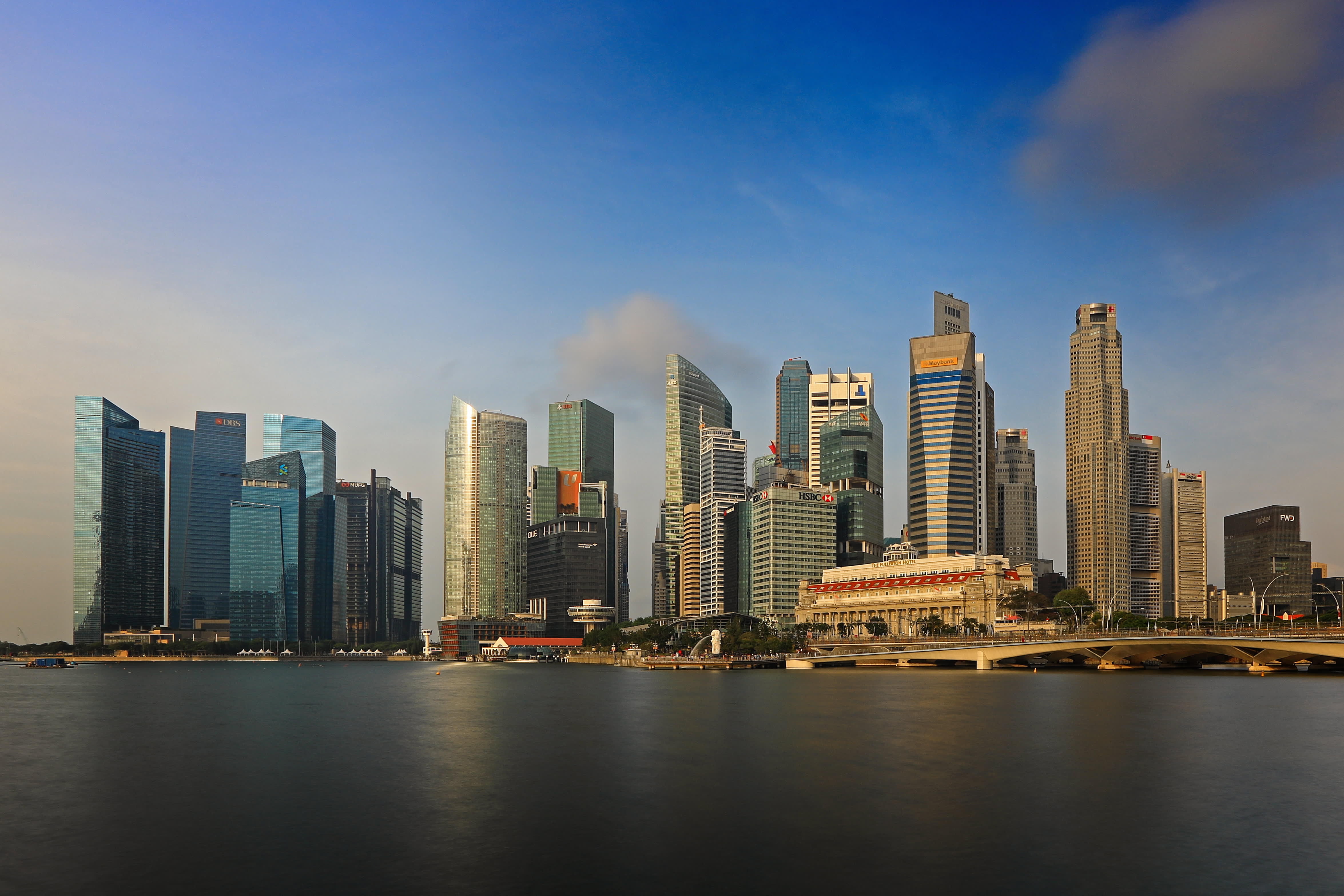
Singapore said on Friday it had instructed Facebook to issue a correction on a post on the social media platform under its new fake news law, after the user declined a government request to do so.
Singapore ordered blogger Alex Tan on Thursday to correct a post on the Facebook page of a blog called the States Times Review that carried accusations of election rigging, saying they were "false" and "scurrilous".
Tan, who does not live in Singapore and says he is an Australian citizen, said in a subsequent post he would not comply with the Asian city-state's request.
On Friday, the office administering the law, know as the Protection from Online Falsehoods and Manipulation Act (POFMA), said it had "instructed" Facebook to issue the correction after Tan's "non-compliance", adding it had "commenced investigations against Tan".
Facebook did not immediately respond to a request for comment, and Tan's post was unchanged at 11.30 a.m. (0330 GMT).
Saham BUMN Pilihan Warren Buffett - Bisnis.com
Saham BUMN Pilihan Warren Buffett Bisnis.com
Saham BUMN Pilihan Warren Buffett - Bisnis.com
Baca Selanjutnya
Saham BUMN Pilihan Warren Buffett - Bisnis.com
Baca Selanjutnya
סמסונג חושפת מתי המכשיר שלכם יקבל אנדרואיד 10 - mako
סמסונג חושפת מתי המכשיר שלכם יקבל אנדרואיד 10 mako
סמסונג חושפת מתי המכשיר שלכם יקבל אנדרואיד 10 - mako
קרא עוד
סמסונג חושפת מתי המכשיר שלכם יקבל אנדרואיד 10 - mako
קרא עוד
Jokowi Kaget 'Winter is Coming' Jadi Kenyataan - CNN Indonesia
Jokowi Kaget 'Winter is Coming' Jadi Kenyataan CNN Indonesia
Jokowi Kaget 'Winter is Coming' Jadi Kenyataan - CNN Indonesia
Baca Selanjutnya
Jokowi Kaget 'Winter is Coming' Jadi Kenyataan - CNN Indonesia
Baca Selanjutnya
Sri Mulyani Batalkan Lelang 2 Surat Utang, Ini Alasannya - CNBC Indonesia
- Sri Mulyani Batalkan Lelang 2 Surat Utang, Ini Alasannya CNBC Indonesia
- Alasan Sri Mulyani Batalkan Lelang SBN ayobandung.com
- Jadwal Lelang SBN Dibatalkan, Pemerintah Sudah Kebanyakan Tarik Utang? - Kompas.com KOMPAS.com
- Alasan Menkeu Sri Mulyani Batalkan Lelang Dua Surat Utang Negara tirto.id
- Sri Mulyani Imbau Pemda Tak Perlu Tunggu Transfer APBN BeritaSatu
- Lihat liputan lengkap di Google Berita
Sri Mulyani Batalkan Lelang 2 Surat Utang, Ini Alasannya - CNBC Indonesia
Baca Selanjutnya
Berantas Mafia Migas, Jokowi Pastikan Gigit Para Pengganggu - Bisnis.com
- Berantas Mafia Migas, Jokowi Pastikan Gigit Para Pengganggu Bisnis.com
- Niat Jokowi Lawan Mafia Migas, Berani? Suara.com
- Jokowi Ingin Berantas Mafia Migas covesia
- Lihat liputan lengkap di Google Berita
Berantas Mafia Migas, Jokowi Pastikan Gigit Para Pengganggu - Bisnis.com
Baca Selanjutnya
Kejaksaan Tinggi Endus Tindak Korupsi di Jiwasraya - Bisnis.com
Kejaksaan Tinggi Endus Tindak Korupsi di Jiwasraya Bisnis.com
Kejaksaan Tinggi Endus Tindak Korupsi di Jiwasraya - Bisnis.com
Baca Selanjutnya
Kejaksaan Tinggi Endus Tindak Korupsi di Jiwasraya - Bisnis.com
Baca Selanjutnya
החדשות - סמסונג חושפת מתי המכשיר שלכם יקבל אנדרואיד 10 - mako
החדשות - סמסונג חושפת מתי המכשיר שלכם יקבל אנדרואיד 10 mako
החדשות - סמסונג חושפת מתי המכשיר שלכם יקבל אנדרואיד 10 - mako
קרא עוד
החדשות - סמסונג חושפת מתי המכשיר שלכם יקבל אנדרואיד 10 - mako
קרא עוד
Thousands in Hong Kong celebrate at 'Thanksgiving' rally after US legislation backs supporters
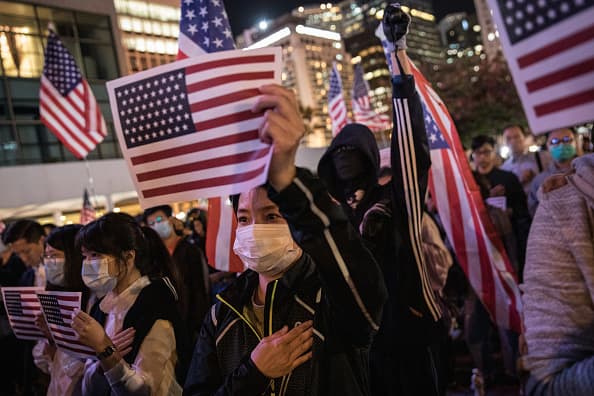
Pro-democracy protesters take part in a Thanksgiving Day rally at Edinburgh Place on November 28, 2019 in Hong Kong.
Chris McGrath | Getty Images News | Getty Images
China warned the United States on Thursday that it would take "firm counter measures" in response to U.S. legislation backing anti-government protesters in Hong Kong, and said attempts to interfere in the Chinese-ruled city were doomed to fail.
U.S. President Donald Trump on Wednesday signed into law congressional legislation which supported the protesters, despite angry objections from Beijing, with which he is seeking a deal to end a damaging trade war.
Protesters in Hong Kong responded by staging a "Thanksgiving" rally, with thousands, some draped in U.S. flags, gathering in the heart of the city.
"The rationale for us having this rally is to show our gratitude and thank the U.S Congress and also President Trump for passing the bill," said 23-year-old Sunny Cheung, a member of the student group that lobbied for the legislation.
"We are really grateful about that and we really appreciate the effort made by Americans who support Hong Kong, who stand with Hong Kong, who do not choose to side with Beijing," he said, urging other countries to pass similar legislation.
The law requires the State Department to certify, at least annually, that Hong Kong is autonomous enough to justify favorable U.S. trading terms that have helped it become a world financial center.
It also threatens sanctions for human rights violations.
The Chinese foreign ministry said the United States would shoulder the consequences of China's countermeasures if it continued to "act arbitrarily" in regards to Hong Kong.
Chinese Vice Foreign Minister Le Yucheng summoned U.S. Ambassador Terry Branstad and demanded that Washington immediately stop interfering in China's domestic affairs.
Hong Kong's Beijing-backed government said the legislation sent the wrong signal to demonstrators and "clearly interfered" with the city's internal affairs.
China is considering barring the drafters of the legislation, whose U.S. Senate sponsor is Florida Republican Marco Rubio, from entering mainland China as well as Hong Kong and Macau, Hu Xijin, the editor of China's Global Times tabloid, said on Twitter.
'Sinister intentions'
More than 5,800 people have been arrested since the unrest broke out in June over a proposal to allow extraditions to mainland China, the numbers grew in October and November as violence escalated.
Demonstrators are angry at police violence and what they see as Chinese meddling in freedoms promised to Hong Kong when it returned to Chinese rule in 1997, such as an independent judiciary.
China says it is committed to the "one country, two systems" formula put in place at the handover, and blames foreign forces for fomenting the unrest, an allegation it repeated in response to the U.S. law.
"This so-called legislation will only strengthen the resolve of the Chinese people, including the Hong Kong people, and raise awareness of the sinister intentions and hegemonic nature of the U.S.," the foreign ministry said. "The U.S. plot is doomed."
Foreign ministry spokesman Geng Shuang declined to comment on any countermeasures planned by Beijing.
"You better stay tuned, and follow up on this," he said. "What will come will come."
Gao Feng, a spokesman for China's commerce ministry, did not comment directly on whether the law would affect trade talks, saying there were no new details of their progress to disclose.
Some analysts say any move to end Hong Kong's special treatment could harm the United States, which has benefited from business-friendly conditions in the territory.
Lull in violence
Anti-government protests have roiled the former British colony for six months, at times forcing businesses, government, schools and even the international airport to close.
Hong Kong has enjoyed a rare lull in violence over the past week, with local elections on Sunday delivering a landslide victory to pro-democracy candidates.
Prominent activists Joshua Wong and Denise Ho addressed the rally on Thursday night, thanking front line protesters for the passage of the bill.
Crowds sang the protest anthem "Glory to Hong Kong," waving their phone torches.
Several hundred people also gathered outside the Polytechnic University, which police entered after a nearly two-week siege.
"The situation in Poly U is still a disaster," said 30-year-old Ng, dressed in black and wearing a surgical mask. "We are out to show we will never forget the Poly U incident."
A protester runs during an attempt to leave The Hong Kong Polytechnic University on November 18, 2019 in Hong Kong.
Anthony Kwan | Getty Images News | Getty Images
The university became a battleground in mid-November, when protesters barricaded themselves in and clashed with riot police in a hail of petrol bombs, water cannon and tear gas. About 1,100 people were arrested last week.
It was unclear whether any protesters remained on campus as about 100 plainclothes police moved in on Thursday morning to collect evidence and remove dangerous items such as petrol bombs.
Police said they found more than 3,000 Molotov cocktails and hundreds of bottles of corrosive liquids.
"The operation is going to finish today," said Assistant Commissioner of Police (Operations) Chow Yat-ming.
He urged any remaining protesters to seek medical treatment, saying arrests were not a priority, though police were seen brushing Molotov cocktails for fingerprints earlier in the day.
Kejaksaan Tinggi Endus Tindak Korupsi di Jiwasraya - Bisnis.com
Kejaksaan Tinggi Endus Tindak Korupsi di Jiwasraya Bisnis.com
Kejaksaan Tinggi Endus Tindak Korupsi di Jiwasraya - Bisnis.com
Baca Selanjutnya
Kejaksaan Tinggi Endus Tindak Korupsi di Jiwasraya - Bisnis.com
Baca Selanjutnya
Tips Keluar dari Jeratan Utang - detikFinance
Tips Keluar dari Jeratan Utang detikFinance
Tips Keluar dari Jeratan Utang - detikFinance
Baca Selanjutnya
Tips Keluar dari Jeratan Utang - detikFinance
Baca Selanjutnya
Trump's bill backing Hong Kong protests could hurt everyone — the US, China and Hong Kong
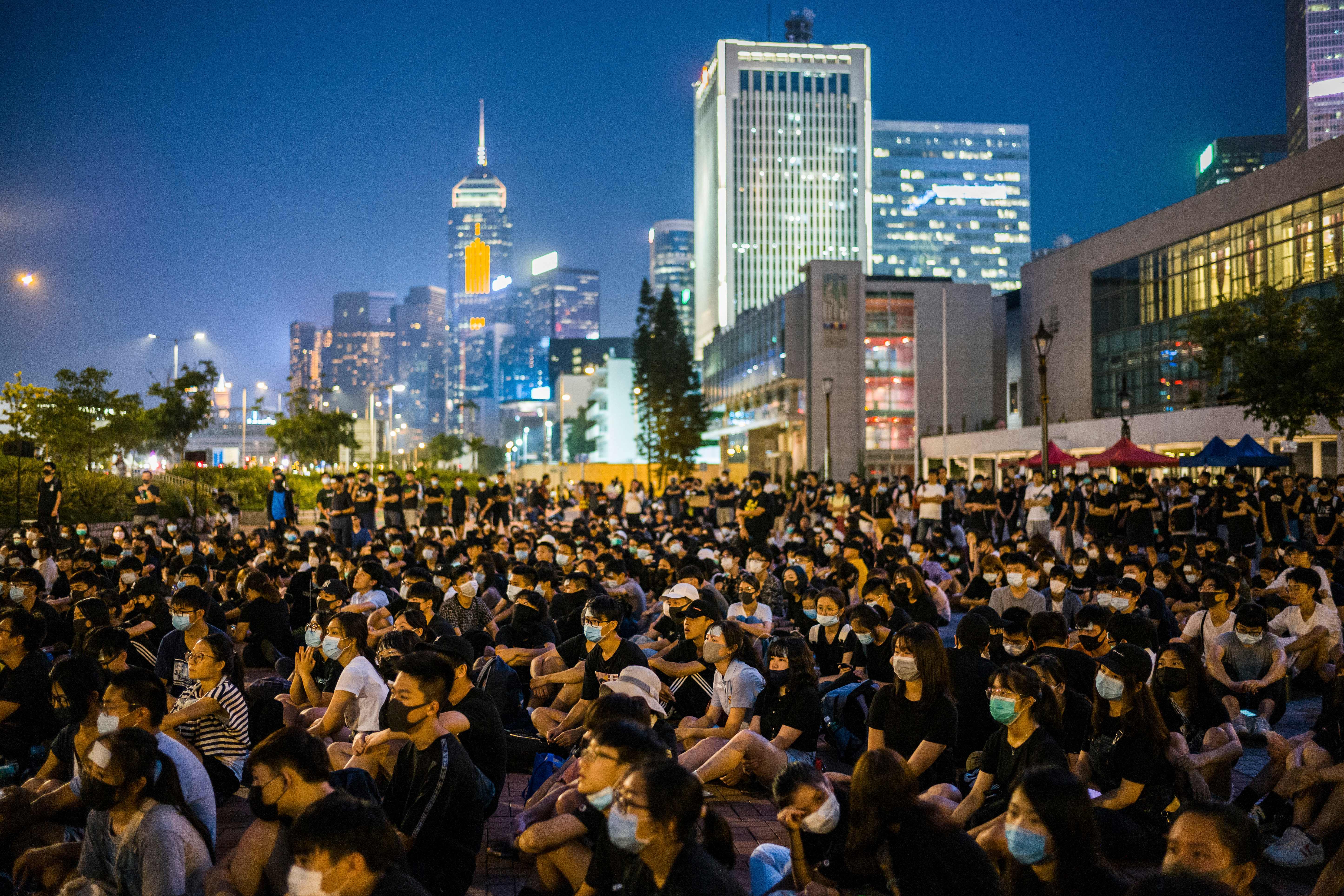
Secondary school students attend a rally at Edinburgh Place in Hong Kong on August 22, 2019.
Anthony Wallace | AFP | Getty Images
U.S. President Donald Trump signed into law two bills supporting Hong Kong protesters on Wednesday.
While the bills are aimed at preserving Hong Kong's rights and autonomy, one of them actually contains provisions that could end up hurting the economies of the U.S., China and Hong Kong.
Trumps signed two bills on Wednesday pertaining to Hong Kong: One involves an annual review of the city's autonomy from China; the another bars the sale of munitions to Hong Kong police, such as tear gas and rubber bullets.
It is the first bill — the Hong Kong Human Rights and Democracy Act of 2019 — that could lead to the removal of the so-called special status that Hong Kong currently enjoys, and that could hurt the Chinese territory's economic prospects and businesses that operate there.
Hong Kong, a former British colony that returned to Chinese rule in 1997, has seen widespread demonstrations since June, some of which have led to violent clashes between protesters and the police. The protests were initially sparked by a proposed law that would have allowed extradition to mainland China, but the unrest later morphed into broader anti-government demonstrations that include demands such as greater democracy and universal suffrage.
The two U.S. bills come amid widespread criticism of heavy-handed treatment of protesters by the Hong Kong police and government, which Beijing supports.
Protecting Hong Kong
The Hong Kong Human Rights and Democracy Act of 2019 include the following provisions:
- Requiring the U.S. State Department to annually review whether Hong Kong is "sufficiently autonomous" from China to justify its "unique treatment" under U.S. law
- Requiring the American president to impose sanctions on individuals found violating human rights in Hong Kong by freezing their assets and denying them entry into the U.S.
- U.S. visas to Hong Kong applicants may not be denied because they've been arrested or detained for taking part in pro-democracy protests
The bill was touted by Congress as a way to deter Beijing's influence and interference in Hong Kong's internal affairs. But many analysts have said it's largely "symbolic" in nature.
"I think it's (a) significant but symbolic step," Ben Bland, director of the Southeast Asia Project at Australian think tank Lowy Institute, said last week before Congress passed the two bills.
"It's really important for the Hong Kong democracy movement. Many people on the streets have been calling for the U.S. to signal its support and to signal its dissatisfaction with what the Chinese government has been doing in Hong Kong over the last few years: Squeezing the city's freedom and autonomy," he told CNBC's "Squawk Box Asia."
Losing special status
As a special administrative region of China, Hong Kong is governed under the "one country, two systems" principle. Under that structure, Hong Kong is given self-governing power, a largely separate legal and economic framework from China, and various freedoms including limited election rights.
Such a system underpins Hong Kong's status as a global financial and business center, especially as a middleman between China and the world. The city's autonomy from China is also a reason why the U.S. treats it differently from other Chinese cities. For example, elevated U.S. tariffs imposed on China in the trade war don't apply to Hong Kong.
Hong Kong's importance to the Chinese economy is disproportionate to its size.
Tianlei Huang
Peterson Institute for International Economics
Losing that special treatment would damage the city's economy, and its repercussions could potentially feed through the global financial system.
To be sure, the Hong Kong Human Rights and Democracy Act of 2019 by itself doesn't mandate the removal of the territory's special status if the U.S. finds that Hong Kong is not sufficiently autonomous from China. The revocation has to come from Trump through an executive order, or Congress via the United States-Hong Kong Policy Act of 1992, which spells out Washington's special treatment of the city.
Nevertheless, analysts said Washington is not likely to go so far as to revoke the city's special status, given the economic stake the U.S. has in Hong Kong.
US interests in Hong Kong
One reason why Washington wouldn't cancel Hong Kong's special status is the tight trade and financial relationship between the two, observers said.
On its website, the State Department said that more than 1,300 American firms operate in Hong Kong, of which 300 base their Asian regional operations there. Nearly all major U.S. financial firms have a presence there.
On trade, Hong Kong has been a major destination for U.S. legal and accounting services, according to the State Department. Last year, the U.S.'s largest goods trade surplus worldwide — at $31.1 billion — was with Hong Kong, the State Department said.
Many of those relationships were built on Hong Kong's trusted position as a relatively safe place to access China — the world's second-largest economy with much untapped business opportunities.
The American Chamber of Commerce in Hong Kong has said that anything that changes the status of the city would have "a chilling effect" on U.S. trade and investment in the city, reported Reuters.
Hong Kong's importance to China
Hong Kong's economic growth contribution to China has diminished through the years, but the city has remained an important financial center for mainland businesses.
Given its openness to foreign investors, Hong Kong has for years been the place where mainland Chinese companies raise funds through listing on the Hong Kong stock market and issuing bonds.
Hong Kong's role as the China's financial arm for the rest of the world has helped mainland China in keeping its financial sector insulated ...
French investment bank Natixis
In recent years, Hong Kong has become the gateway for foreign investors to buy Chinese financial assets through the stock and bond connect programs. The city is also one of the few places where the Chinese yuan is traded outside the mainland, facilitating the internationalization of the currency.
"Hong Kong's role as the China's financial arm for the rest of the world has helped mainland China in keeping its financial sector insulated without suffering the negative consequences of such isolation, i.e. limited access to finance or difficult access to assets in the rest of the world," French investment bank Natixis wrote in an August report.
In addition, Hong Kong is China's "most important springboard" for foreign direct investment, the Natixis report said. Much of China's outward investments are channeled through Hong Kong "due to the trust of Chinese and foreign firms on Hong Kong's institutional framework," the bank said.
In all, "Hong Kong's importance to the Chinese economy is disproportionate to its size," Tianlei Huang, a research analyst at the Peterson Institute for International Economics think tank, wrote in a July report.
"Beijing must know that preserving Hong Kong's unique economy means more than allowing free enterprise. It entails a strong and unwavering commitment to its rule of law, the key to Hong Kong's economic success," he added.
Kejaksaan Tinggi Endus Tindak Korupsi di Jiwasraya - Bisnis.com
Kejaksaan Tinggi Endus Tindak Korupsi di Jiwasraya Bisnis.com
Kejaksaan Tinggi Endus Tindak Korupsi di Jiwasraya - Bisnis.com
Baca Selanjutnya
Kejaksaan Tinggi Endus Tindak Korupsi di Jiwasraya - Bisnis.com
Baca Selanjutnya
Pemiliknya Pensiun Jadi Menteri, Susi Air Terbebas Travel Advisory Australia - Bisnis.com
Pemiliknya Pensiun Jadi Menteri, Susi Air Terbebas Travel Advisory Australia Bisnis.com
Pemiliknya Pensiun Jadi Menteri, Susi Air Terbebas Travel Advisory Australia - Bisnis.com
Baca Selanjutnya
Pemiliknya Pensiun Jadi Menteri, Susi Air Terbebas Travel Advisory Australia - Bisnis.com
Baca Selanjutnya
Eropa Gugat RI ke WTO, Menko Airlangga: Kita Ladeni Saja - Bisnis.com
- Eropa Gugat RI ke WTO, Menko Airlangga: Kita Ladeni Saja Bisnis.com
- RI Pakai Larangan Ekspor Nikel Lawan Diskriminasi Sawit UE CNN Indonesia
- Eropa Lapor Nikel ke WTO, RI: Konsultasi Dulu! CNBC Indonesia
- Lihat liputan lengkap di Google Berita
Eropa Gugat RI ke WTO, Menko Airlangga: Kita Ladeni Saja - Bisnis.com
Baca Selanjutnya
Asia stocks set to trade higher as tensions remain over Hong Kong
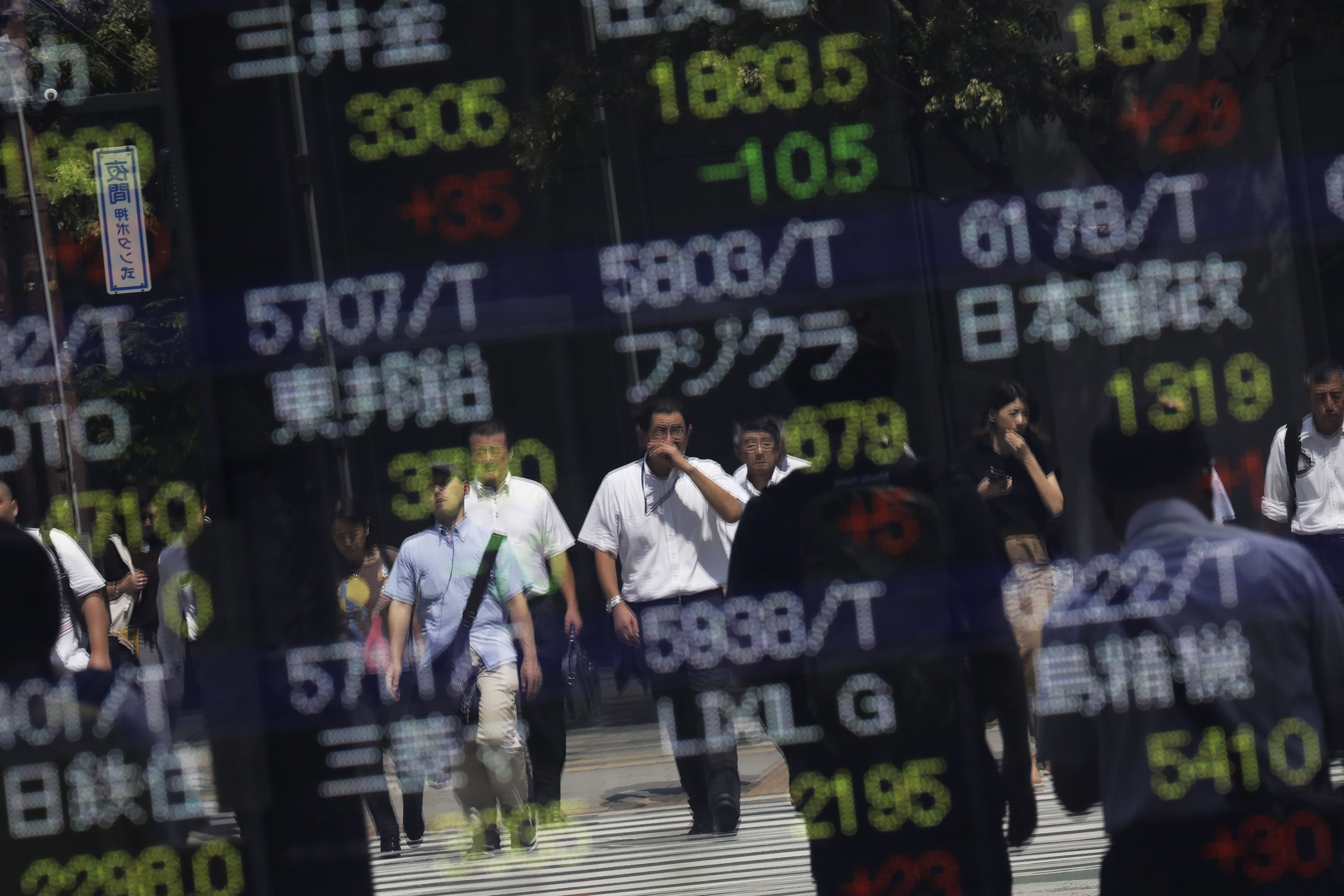
Stocks in Asia were set to trade higher at the open on Friday as investors continue to watch for developments on U.S.-China trade following a recent escalation in tensions over Hong Kong.
Futures pointed to a higher open for Japanese shares, with the Nikkei futures contract in Chicago at 23,480 while its counterpart in Osaka was at 23,470. That compared against the Nikkei 225's last close at 23,409.14.
Meanwhile, shares in Australia edged higher in early trade, with the S&P/ASX 200 up around 0.3%.
The Bank of Korea is set to make its interest rate decision on Friday.
Following the signing of bills by U.S. President Donald Trump in support of Hong Kong protesters on Wednesday, investors continue to assess the potential impact on ongoing trade negotiations between Washington and Beijing. China strongly condemned the actions of the U.S., with the country's Ministry of Foreign Affairs saying Thursday that Washington had "sinister intentions."
Hong Kong has been rocked by months of civil unrest initially sparked by a since-withdrawn extradition bill.
That comes as an anticipated "phase one" trade deal between the U.S. and China remains elusive ahead of Dec. 15, when additional tariffs on Chinese exports to the U.S. are set to go into effect.
Markets stateside were closed on Thursday for a holiday.
Currencies
The U.S. dollar index, which tracks the greenback against a basket of its peers, was at 98.327 after earlier touching lows below 98.3.
The Japanese yen changed hands at 109.51 against the dollar after seeing highs below 108.8 earlier in the trading week. The Australian dollar was at $0.6769 after touching lows around $0.676 yesterday.
What's on tap:
- South Korea: Bank of Korea interest rate decision
- Taiwan: Revised GDP for the third quarter at 4:00 p.m. HK/SIN
- India: Third quarter GDP at 8:00 p.m. HK/SIN
כפר סבא פינת הוליווד: אושרה התכנית להקמת ארבעה אולפני קולנוע וטלוויזיה במערב העיר - מיינט כפר סבא
כפר סבא פינת הוליווד: אושרה התכנית להקמת ארבעה אולפני קולנוע וטלוויזיה במערב העיר מיינט כפר סבאלסיקור המלא ב-חדשות Google
כפר סבא פינת הוליווד: אושרה התכנית להקמת ארבעה אולפני קולנוע וטלוויזיה במערב העיר - מיינט כפר סבא
קרא עוד
כפר סבא פינת הוליווד: אושרה התכנית להקמת ארבעה אולפני קולנוע וטלוויזיה במערב העיר - מיינט כפר סבא
קרא עוד
Wednesday, November 27, 2019
אופס: טרנטינו חשף בטעות את מין העובר | ערב טוב עם גיא פינס - mako
- אופס: טרנטינו חשף בטעות את מין העובר | ערב טוב עם גיא פינס mako
- דניאלה פיק וקוונטין טרנטינו מצפים לבת Pplus
- לסיקור המלא ב-חדשות Google
אופס: טרנטינו חשף בטעות את מין העובר | ערב טוב עם גיא פינס - mako
קרא עוד
טל רמון וחן אהרוני ניהלו קשר זוגי - TMI
- טל רמון וחן אהרוני ניהלו קשר זוגי TMI
- תכירו: זה היה בן הזוג הסופר מפורסם של חן אהרוני וואלה!
- לסיקור המלא ב-חדשות Google
טל רמון וחן אהרוני ניהלו קשר זוגי - TMI
קרא עוד
אריה בן השנה וחצי נחנק מהווילון: "הבאנו אותו לגן ועכשיו הוא איננו" - ישראל היום
אריה בן השנה וחצי נחנק מהווילון: "הבאנו אותו לגן ועכשיו הוא איננו" ישראל היוםלסיקור המלא ב-חדשות Google
אריה בן השנה וחצי נחנק מהווילון: "הבאנו אותו לגן ועכשיו הוא איננו" - ישראל היום
קרא עוד
אריה בן השנה וחצי נחנק מהווילון: "הבאנו אותו לגן ועכשיו הוא איננו" - ישראל היום
קרא עוד
פסטיבל אשדודשירה 2019: סיכום הערב השלישי - כאן דרום אשדוד
פסטיבל אשדודשירה 2019: סיכום הערב השלישי כאן דרום אשדוד
פסטיבל אשדודשירה 2019: סיכום הערב השלישי - כאן דרום אשדוד
קרא עוד
פסטיבל אשדודשירה 2019: סיכום הערב השלישי - כאן דרום אשדוד
קרא עוד